Why Proper Dog Introductions Matter
Introducing two dogs can be an exciting milestone, but it requires patience, planning, and careful observation. Whether you are bringing a new furry family member home or arranging a meetup through Furendly, first impressions set the tone for all future interactions.
Dogs communicate primarily through body language and scent, making initial meetings crucial for preventing fear or aggression. By taking the time to understand canine signals, you ensure a safe and positive experience for both animals involved.
Rushing an introduction often leads to unnecessary stress and behavioral setbacks. A structured approach allows both dogs to feel secure, laying the foundation for a lasting and harmonious canine friendship.
Choosing the Right Neutral Location
Never introduce two unfamiliar dogs inside a home or a confined backyard. Territory can trigger protective instincts, making the resident dog feel threatened by the newcomer.
Instead, pick a quiet, neutral outdoor space such as a calm park path or a quiet neighborhood sidewalk. Neutral territory minimizes territorial defensiveness and allows both dogs to focus on exploring their environment rather than guarding their space.
Make sure both dogs are walked by calm, confident handlers who can manage the leashes without transferring tension down the line. Keeping initial energy levels low helps keep the interaction peaceful.
The Walk-and-Sniff Technique
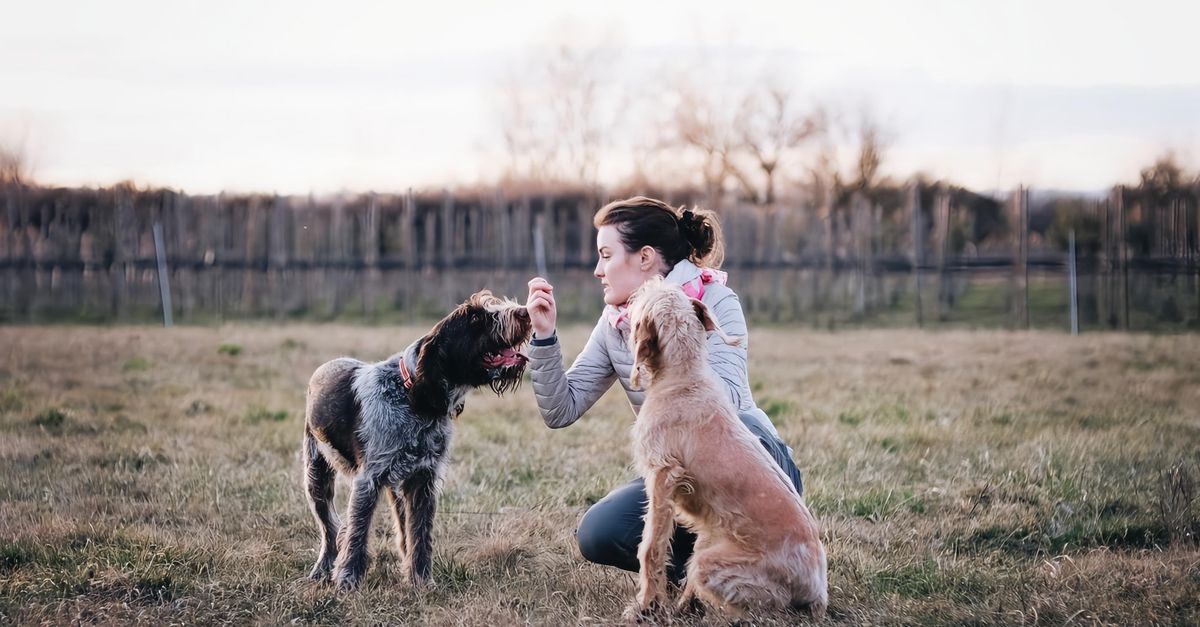
Start the introduction with a parallel walk where both dogs are walking in the same direction a few feet apart. This allows them to catch each other's scent without the pressure of a direct, nose-to-nose confrontation.
Allow brief, polite sniffs after a few minutes of walking, keeping the leashes loose to avoid creating tension. Watch closely for relaxed body language, such as wagging tails and loose postures, rather than stiffening or staring.
If either dog shows signs of stress, reactivity, or over-excitement, calmly walk away to create distance and let them decompress. Patience during this phase is essential for a successful outcome.
Transitioning Home and Maintaining Safety
Once the outdoor introduction goes well, you can transition indoors together. If you are using pet-sitting or boarding options through Furendly, ensure the host home is prepared with separate resting areas for each dog.
Remove high-value toys, bones, and food bowls before the dogs enter the shared space to prevent any resource guarding. Supervise all interactions closely during the first few days until you are fully confident in their dynamic.
Reward calm behavior with treats and praise to reinforce positive associations between the dogs. With a thoughtful introduction process, your dogs will be well on their way to becoming fast friends.