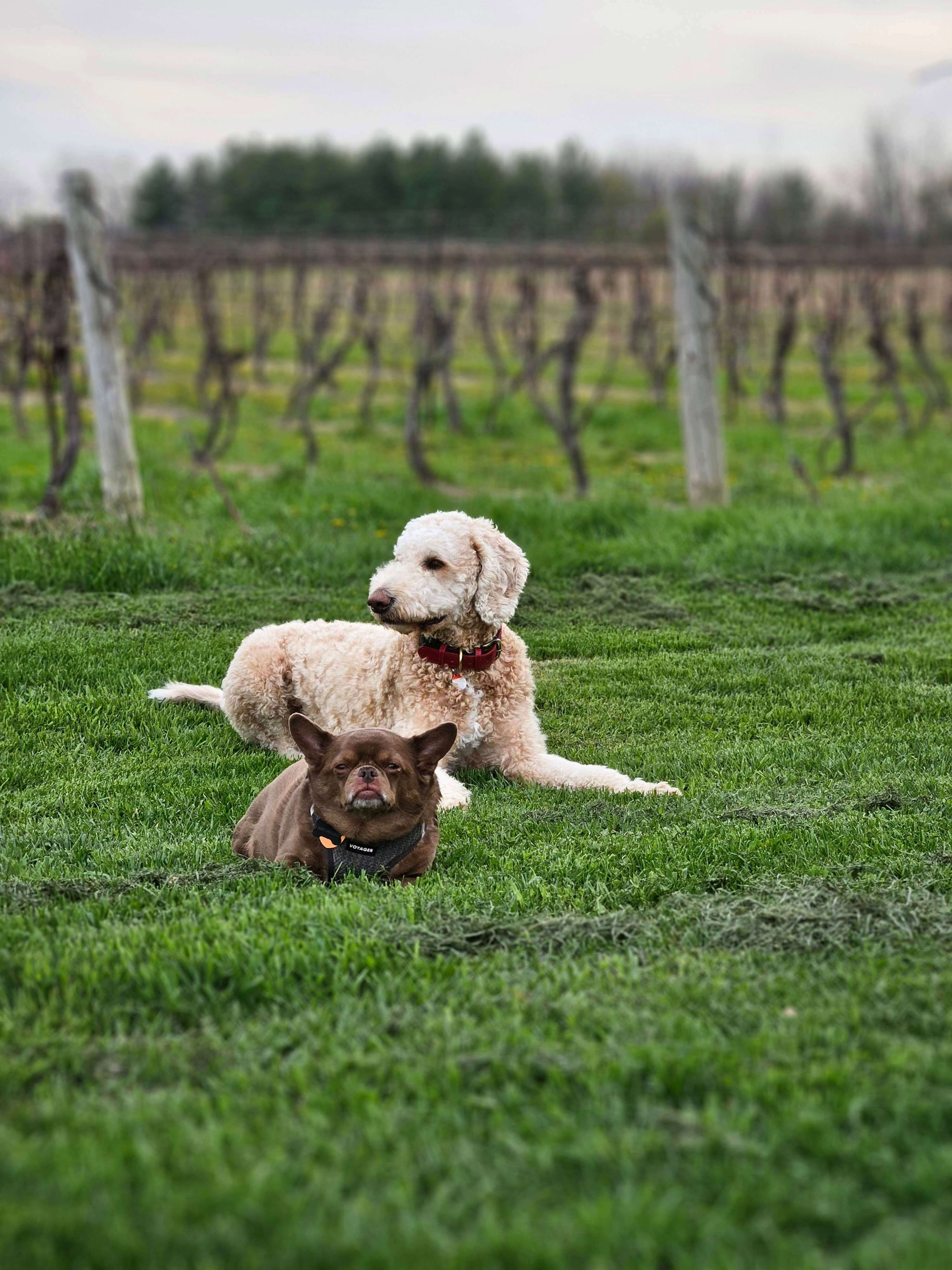
Preparing Your Dog's Health for Travel and Boarding
Planning a trip away from home requires careful preparation to ensure your dog remains healthy, safe, and stress-free. Whether you are dropping your furry best friend off at a kennel or taking them on an adventure across the country, their daily wellness routine can easily be disrupted by new environments and unfamiliar routines.
Before you pack your bags, schedule a quick visit to your veterinarian to ensure vaccinations are fully up to date and parasite preventatives are properly applied. It is also wise to gather a complete health dossier, including medical history, emergency contact numbers, and clear instructions for any medications your dog might need while you are apart.
Packing a Wellness Kit for Your Canine Companion
Just like humans, dogs need their own travel bag filled with essential comfort and health items to help them adjust to temporary living arrangements. Packing familiar items can significantly reduce anxiety and prevent stress-induced tummy troubles that often plague pets in new surroundings.
Include a generous supply of your dog's regular food, measured out per meal to avoid sudden dietary changes that can cause severe digestive upset. Do not forget to pack their favorite interactive toys, a cozy blanket that smells like home, and a soothing calming supplement recommended by your trusted veterinarian.
Maintaining Exercise and Mental Stimulation on the Road
Travel and boarding situations often lead to a sudden decrease in physical activity, which can result in pent-up energy, boredom, and unwanted behaviors. Keeping your dog active is crucial for supporting their immune system, joint health, and overall psychological well-being during disruptions to their normal routine.
If you are traveling together, plan frequent rest stops for brisk walks and sniffari sessions to let your dog decompress and explore safely. When utilizing boarding facilities, choose places that offer structured playtime, or connect with local pet care providers through Furendly to ensure your dog receives personalized one-on-one attention and exercise.
Recognizing and Managing Travel Stress in Dogs
Even the most adaptable dogs can experience travel fatigue or separation anxiety when placed in unfamiliar boarding environments or enduring long car rides. Learning to spot the subtle early signs of stress allows you to intervene quickly and keep your dog comfortable and emotionally balanced.
Look out for common behavioral indicators of anxiety, such as excessive panting, yawning, pacing, drooling, or a sudden lack of interest in high-value treats. Creating a quiet, secure resting space and utilizing positive reinforcement can go a long way in helping your dog feel safe and secure until you are reunited.