Why Early Dog Socialization Matters
Proper socialization is the most important part of raising a confident, well-adjusted dog. During their critical development windows, puppies need positive exposures to new sights, sounds, surfaces, and social encounters. Without this guidance, young dogs may grow up to be fearful, reactive, or anxious adults.
For busy pet parents, managing this process can feel overwhelming. That is why working closely with a trusted pet sitter through Furendly ensures your puppy receives consistent, positive reinforcement even when you are away at work. Maintaining a united front with your pet care team accelerates learning and builds trust.
Successful socialization is never about overwhelming your dog with too many experiences at once. Instead, it is about creating calm, controlled introductions where your puppy feels safe. By taking things at your dog's pace, you lay the groundwork for a lifetime of stress-free adventures.
The Sensory and Environment Checklist
Before introducing your puppy to a parade of new dogs and strangers, focus on the inanimate world around them. Exposing young dogs to different flooring textures like tile, grass, metal grates, and gravel prevents paw sensitivity. It also teaches them to stay grounded when navigating unfamiliar urban or rural landscapes.
Sound socialization is just as crucial as visual exposure. Play recorded sounds of thunderstorms, sirens, vacuum cleaners, and bustling traffic at low volumes while treating your puppy. This desensitization strategy prevents noise phobias before they develop into lifelong behavioral challenges.
If you travel or use professional sitters, make sure your puppy practices resting in various environments. Your Furendly pet sitter can help reinforce these calm behaviors by taking your dog on structured walks in different neighborhoods and parks.
Positive Human and Animal Encounters
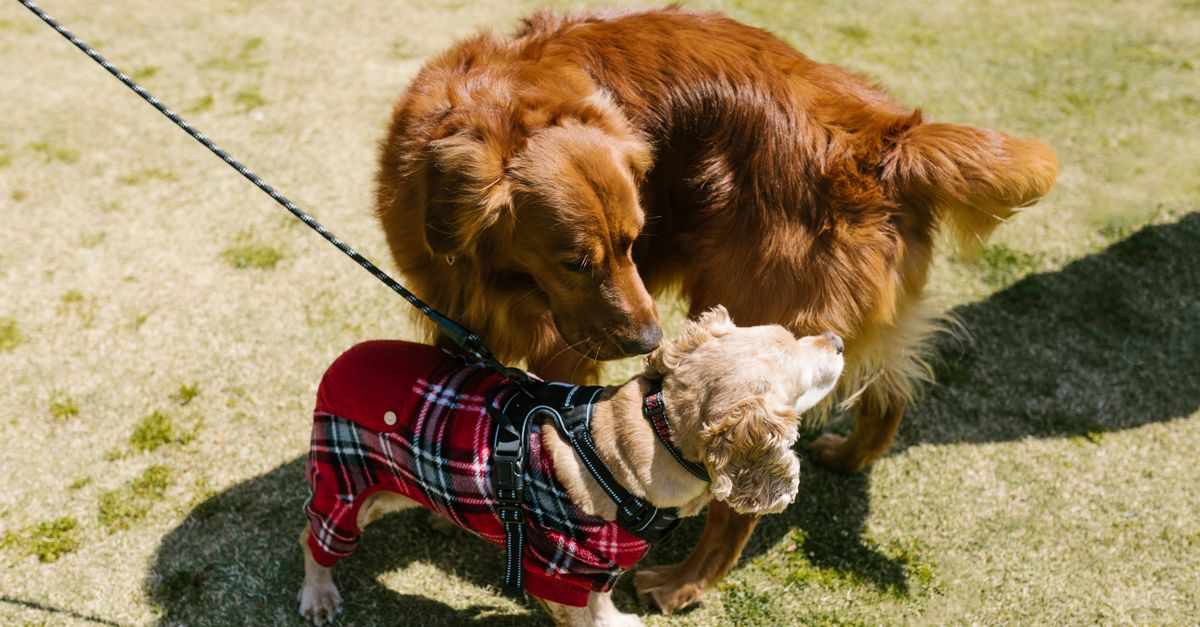
Socialization does not mean your dog needs to be best friends with every single living creature they meet. The primary goal is teaching your puppy to remain neutral and calm in the presence of diverse people and well-behaved animals. Invite friends of different ages, heights, and appearances over for controlled, treat-filled greeting sessions.
When introducing your puppy to other dogs, always prioritize quality over quantity. Seek out stable, vaccinated adult dogs who can gently teach your puppy canine manners. Rough play with overly exuberant dogs can quickly spark fear and defensive habits.
Communicate your socialization goals clearly to anyone caring for your pet. When you book a verified caregiver through Furendly, you can share your exact training notes and checklists so your dog's daily routines remain completely consistent.
Maintaining Consistency and Avoiding Overload
Puppies process an incredible amount of information every day, which means they also require plenty of sleep to consolidate their learning. Watch closely for signs of overstimulation, such as frantic biting, whining, or inability to settle down. If your puppy exhibits these behaviors, remove them from the environment immediately for some quiet rest.
Consistency remains the ultimate key to permanent behavioral progress. Keep training sessions short, fun, and packed with high-value rewards like small pieces of chicken or cheese. Every single positive interaction builds a stronger emotional reserve for your growing dog.
By combining your own daily dedication with reliable support from Furendly, you create a supportive ecosystem for your dog. Embrace the journey, celebrate the small milestones, and enjoy watching your puppy blossom into a confident companion.